

Final learning report
Seven years, seven lessonsBuilding African off-grid energy businesses
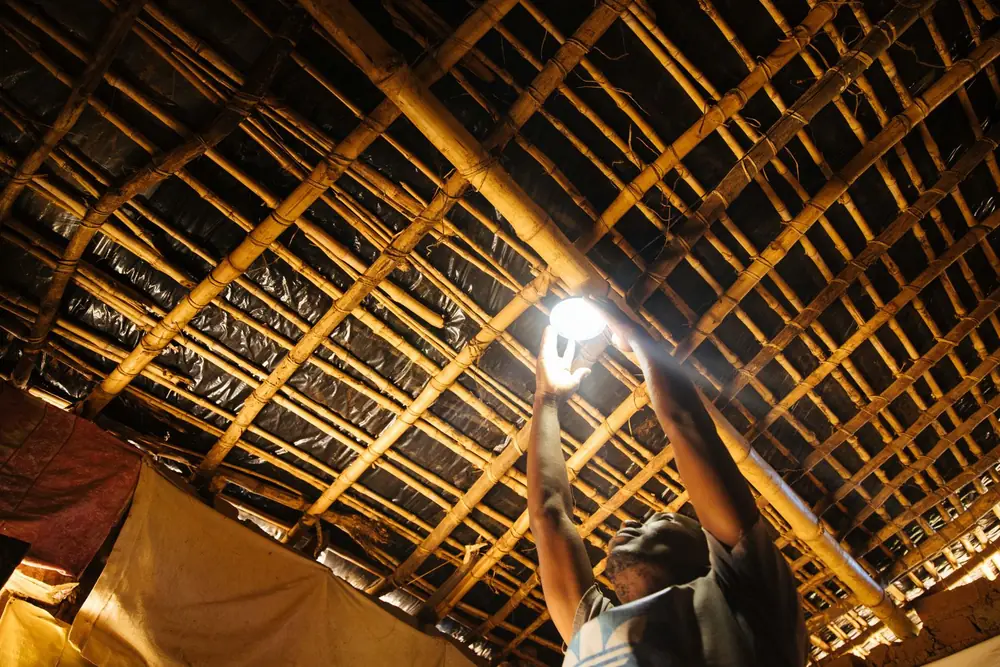
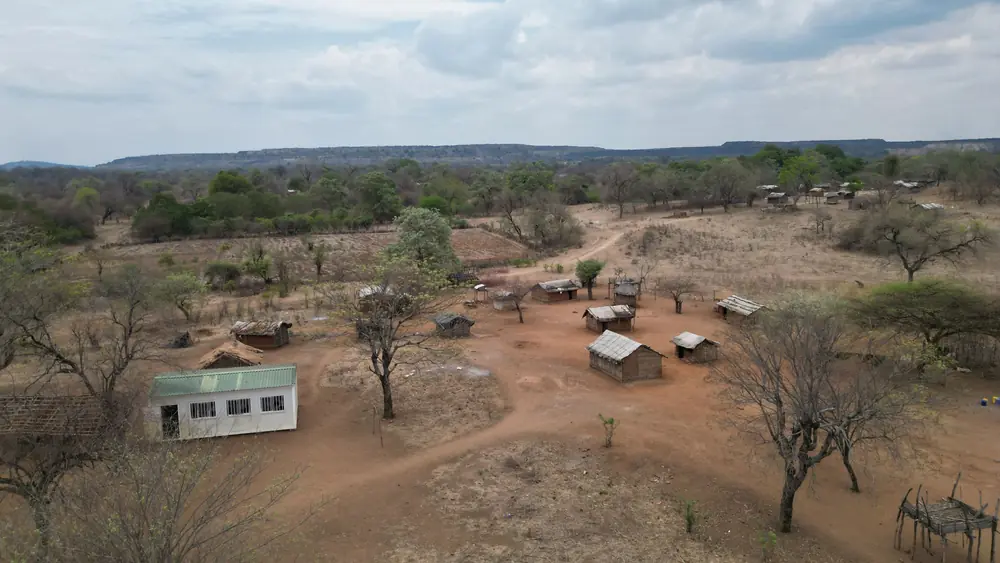
Photo: Henry Stanislaw / Catalyst Energy Advisors
Start readingThe portfolio
-
 Energy+Mali
-
 Natfort EnergyZimbabwe
-
 Zuwa EnergyMalawi
- 156 → 3Companies screened across 29 countries, three funded
- 2 of 3Funded companies still operating and growing
- ~50% → ~90%Zuwa Energy’s repayment rate, before and after it rebuilt its credit operations with VentureBuilder
Introduction
A promising idea, a harder reality
Launched in late 2019, VentureBuilder set out to help African-owned and managed off-grid energy businesses build sustainable companies through patient capital and practical, long-term Enterprise Development Services (EDS). Seven years later, the work had helped companies strengthen capabilities, navigate difficult periods, and attract further financing, while influencing other enterprise-support initiatives. But the scaled-up financing vehicle never reached financial close. The lessons are therefore twofold: embedded support can help businesses become stronger, but the financing model used to deliver it may not be commercially viable.
The original bet
VentureBuilder, a partnership between Catalyst Energy Advisors and Open Capital Advisors, aimed to pair small initial investments with sustained, company-specific support and follow-on financing. Its ambition was a US$50 million vehicle by 2022, supporting ten companies across sub-Saharan Africa through convertible debt and equity, with grants covering part of the EDS costs. The experience tested two propositions: whether sustained enterprise development could help local businesses thrive, and whether a commercial vehicle could generate enough returns to finance that support.
The lessons
Seven lessons
-
 01
African-owned and managed businesses can build sustainable companiesLocal ownership and management should be treated as a credible foundation for building sustainable businesses—not as a reason to assume a company is too small, too risky, or lacks capacity.
-
 02
Customer success is the foundation of a sustainable businessSales and reach matter only when customers are well served and the business can continue serving them.
-
 03
A strong track record does not guarantee that a model fits its marketExperience is valuable, but it cannot replace evidence that a model works in a particular market.
-
 04
Enterprise development creates value when capabilities stay in the businessEffective enterprise development should leave a company better able to manage itself after advisers step back.
-
 05
Success is a marathon, not a sprintMeasure success by whether a company is building a sustainable path to profitability and strengthening its ability to grow responsibly—not simply by how quickly it expands, how many products it sells, or how much external capital it raises.
-
 06
The businesses needed patient support; a commercial vehicle was not necessarily the right way to finance itAlign support and capital with companies’ evolving needs, but do not assume one commercial vehicle can finance everything.
-
 07
VentureBuilder’s legacy is bigger than the vehicleVentureBuilder’s scaled-up vehicle never materialized, but its ideas can outlive it.
Lesson 1
African-owned and managed businesses can build sustainable companies
Photo: Zuwa Energy
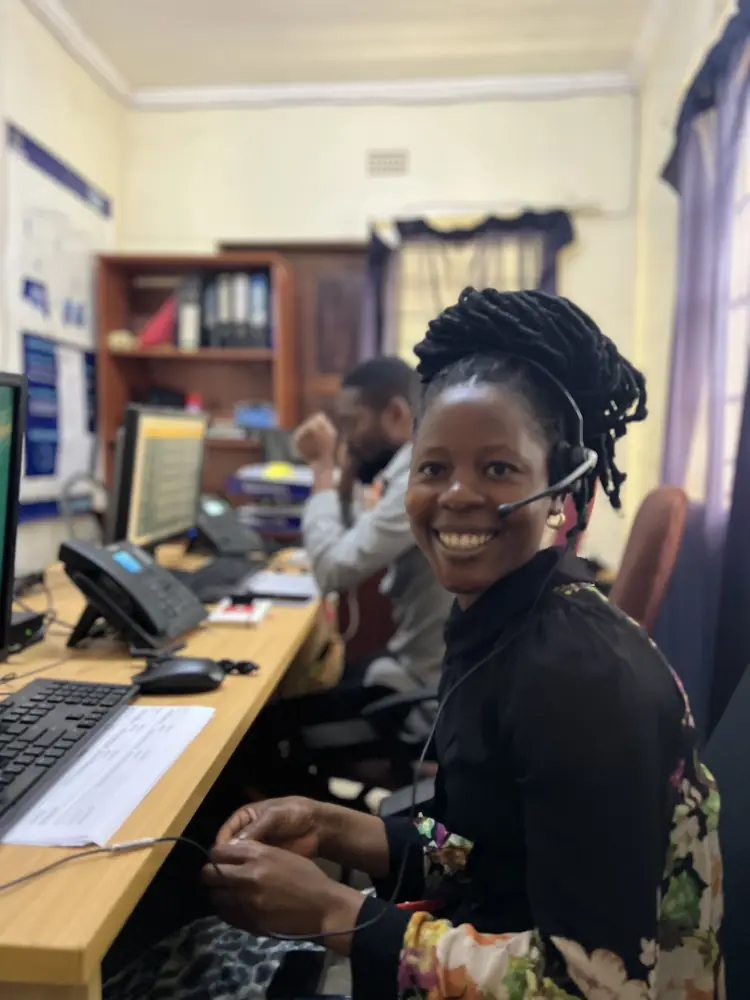
Zuwa Energy in Malawi and Natfort Energy in Zimbabwe show that African-owned and managed off-grid solar businesses can strengthen their operations and make commercially grounded decisions. Their stories are not identical: Zuwa improved the way it manages consumer credit, while Natfort paired its own PAYGo sales with partners who provide consumer finance.
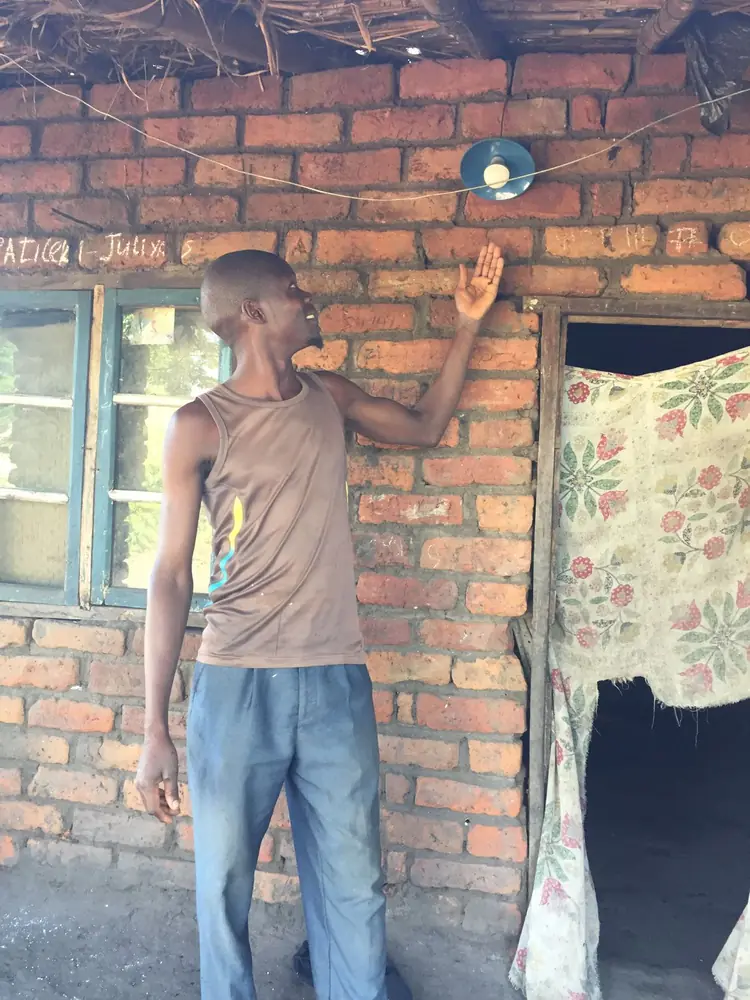
With VentureBuilder’s support, Zuwa strengthened credit operations, revamped its call center, separated loan approval from sales, improved financial planning, and distributed management responsibilities more effectively. Its founder said VentureBuilder helped the company rethink its loan portfolio; repayment rates, once around half of expected revenue, have since remained around 90%.
Zuwa Energy: repayment rates

Natfort entered VentureBuilder’s partnership while running a grant-financed PAYGo pilot. It had run a profitable solar engineering, procurement, and construction business, but consumer finance brought new challenges in credit management, collections, and working capital. VentureBuilder helped it digitize credit processes, improving onboarding, credit management, collections monitoring and cash flow, and cutting operating costs. The unit economics and financial forecasts that VentureBuilder helped Natfort develop showed that PAYGo alone would struggle to reach profitability without ongoing subsidies. With this evidence, Natfort’s CEO made the strategic decision to pivot to a hybrid model, combining digitized PAYGo with cash and retail sales, and set up partnerships with hardware retailers and local cooperatives. Most recently it set up a consumer financing partnership with local microfinance institutions (MFIs) with VentureBuilder’s support.
Neither case proves that every local business will succeed or that external support guarantees results. They show that entrepreneurs can build capabilities, recognize the limits of a model, and choose operating approaches that fit their strengths and markets.

Lesson 2
Customer success is the foundation of a sustainable business
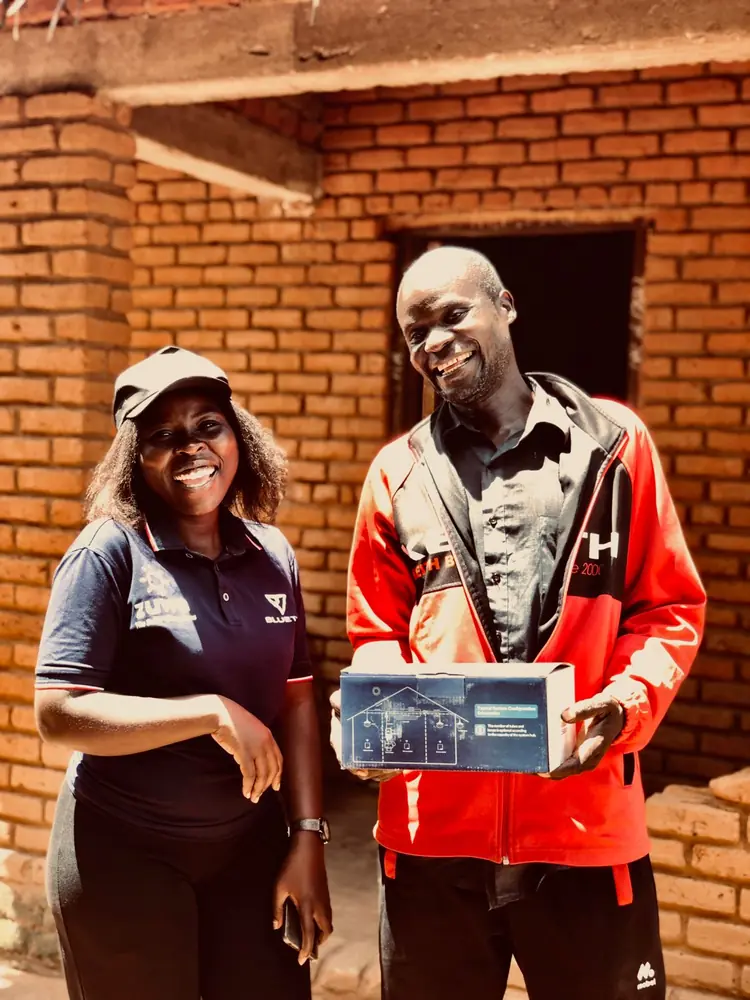
Photo: Zuwa Energy
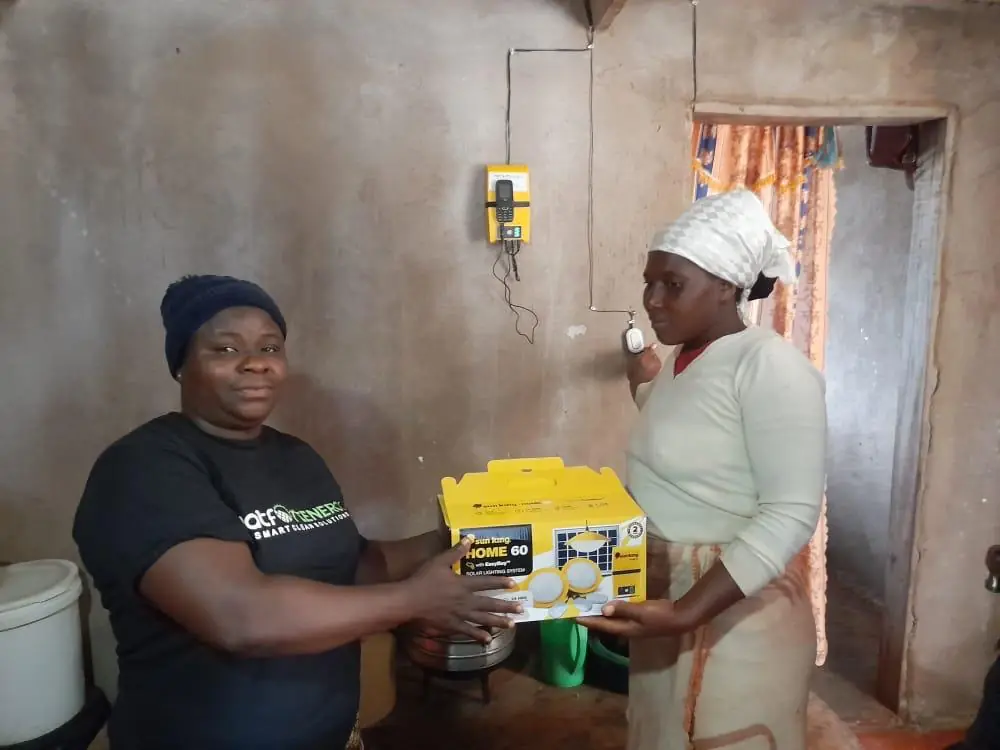
Selling a solar product is not the same as creating lasting value. Companies must understand whether products and payment plans fit customers’ circumstances and whether they can serve customers reliably over time. In PAYGo and other credit-based models, sales can rise while collections deteriorate, weakening the business and its ability to serve customers in the future.
Natfort experienced this during its PAYGo pilot. Its CFO recalled: “To meet our grant requirements, we pushed sales in 2021 and 2022, but collections were not keeping pace. We had overburdened clients. We were reaching 5,000 units, but the cash was not coming in to sustain operations.” The experience showed that sales volume alone was a poor measure of progress and led Natfort to partner with MFIs, which carry the end-user credit while Natfort focuses on product supply and technical support.
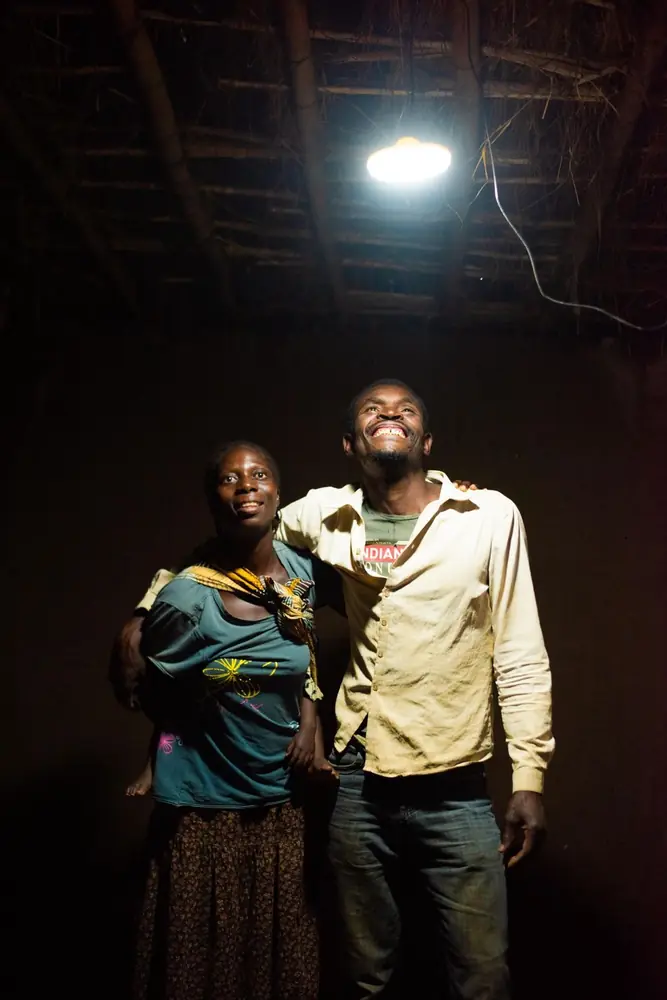
Jones Ntaukira, Zuwa’s CEO commented, “My VentureBuilder coach taught me there are no bad borrowers, only bad lenders. The customer isn’t the problem. The customer is the solution. It’s our selling practices that needed to change.” Zuwa responded by separating credit and sales responsibilities, with distinct targets, reporting lines, and incentives.
Customer success must shape product design, pricing, payment terms, service delivery, credit decisions, and growth strategy. When a model fails, it is not enough to blame customers for not paying. Companies must ask whether they understood customer needs, designed an appropriate offer, and built responsible processes for sales and repayment. This applies to both the physical product and, where relevant, the loan product.


Lesson 3
A strong track record does not guarantee that a model fits its market
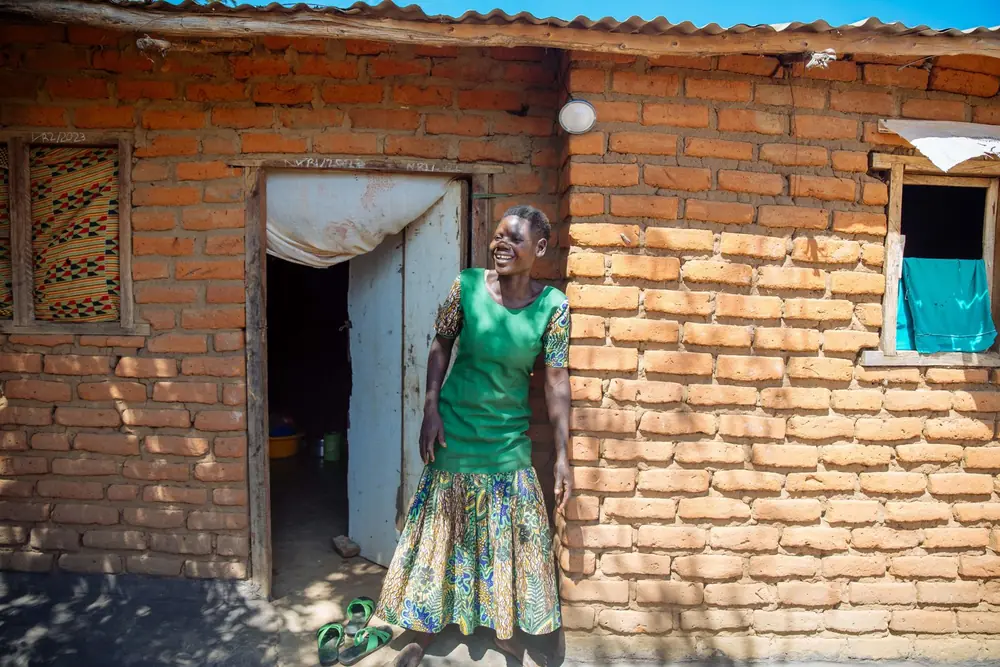
Photo by Kagou Dicko on Unsplash
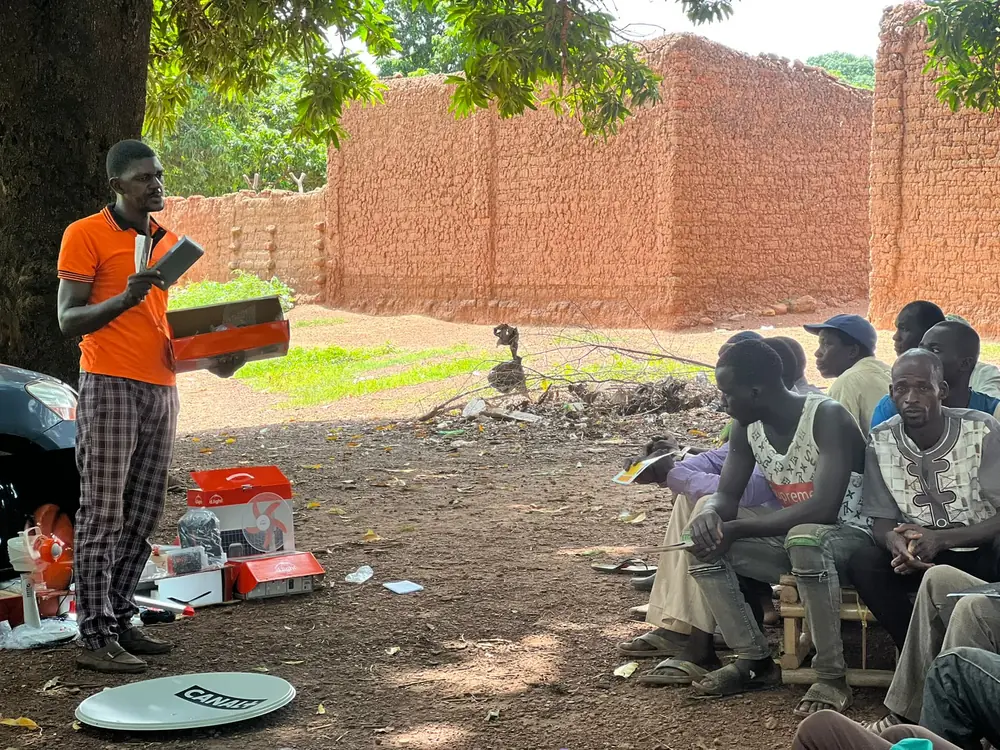
Energy+ in Mali illustrates the importance of adapting a business model to local conditions—and the danger of explaining a company’s outcome through a single cause. Its founders were experienced serial entrepreneurs whose core dry-cell battery business had reached 100 million units a year. Profits from that business seeded several ventures, including PAYGo solar through Energy+.
VentureBuilder began working with Energy+ at the start of COVID-19, while the business was still at an early stage. Lockdowns, two coups d’état, and wider economic insecurity compounded its challenges. But the company also adopted an East African PAYGo model without adapting it sufficiently to Mali. The founder described this as “copy-paste”: assuming a model that worked in Kenya would work in Mali. Expansion across a vast geography increased servicing costs, while leadership attention was divided among several ventures and the team struggled to absorb support. Energy+ stopped selling in 2024.
In hindsight, the founder believes the company should have focused on a smaller area and established a working model before expanding. He acknowledged that VentureBuilder had warned against the strategy, but the team’s success in battery sales had given it confidence. Selling dry-cell batteries is a straightforward transaction. In contrast, PAYGo solar creates a multi-year credit and service relationship.
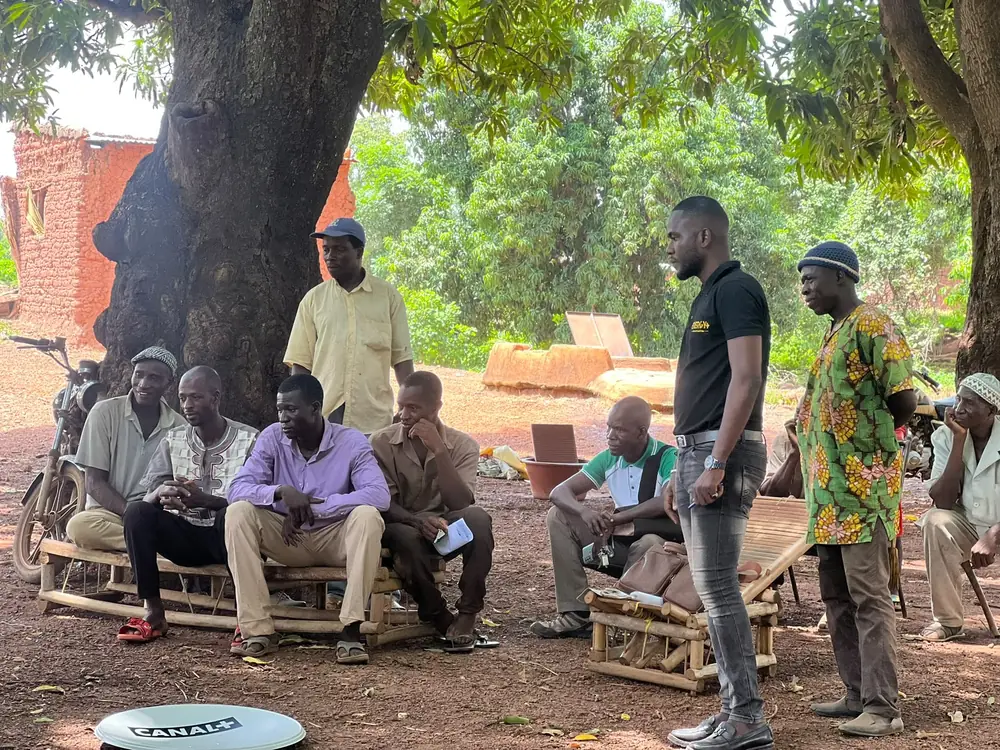
The case raises a difficult question for an enterprise-development partner. Respecting entrepreneurs’ judgment is essential, but support must also allow candid challenge when expansion outpaces evidence, economics deteriorate, or leadership attention is stretched. Energy+ received a turnaround plan and support to develop an MFI partnership, yet no dedicated senior manager was in place to carry the work forward. Support can strengthen management, but it cannot substitute for it.
Lesson 4
Enterprise development creates value when capabilities stay in the business
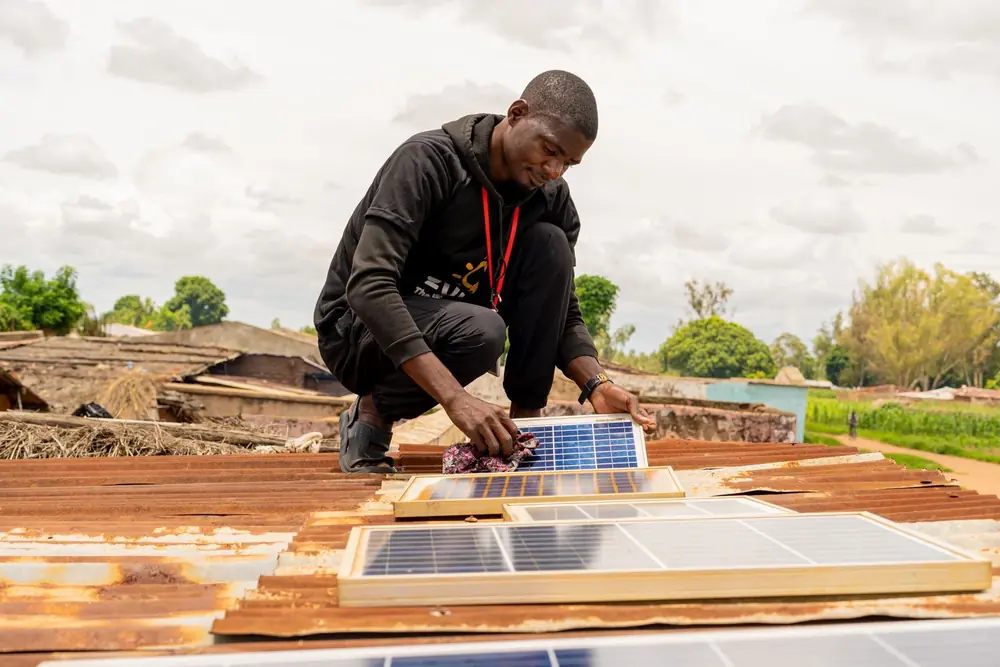
Photo: Zuwa Energy

VentureBuilder’s EDS was designed to go beyond delivering a report or financial model. Advisers worked alongside management over time to identify business risks, prioritize practical responses, and build capabilities in leadership and governance, corporate finance, credit-risk management, and core operations. Their industry experience helped them engage as practitioners and peers, while sustained relationships created room for candid conversations.
Willem Nolens, founder and former CEO of SolarNow, mentored portfolio company CEOs as a Venture Partner. Now co-founder and CEO of in24, he explained: “I wanted to be the resource I missed when I was leading my company. You have your board, to whom you’re accountable, and you have your colleagues, but they all think you’re the boss. I needed someone who could help me navigate the stress and isolation of the CEO job.”
At Natfort, the impact extended beyond the founder. CFO Tarisai Mureriwa, trained as an accountant, now builds and runs the company’s financial models and evaluates product decisions against their economics. Leadership coaching also helped the senior team clarify roles and delegate. Mureriwa said the company had become confident it could function without its founder in day-to-day operations, with a succession plan in place.

These changes matter because a company is stronger when it owns its financial model, manages its own credit function, and is not dependent on one person for routine decisions. VentureBuilder priced EDS into its investment approach on the premise that building these capabilities could increase enterprise value.
Lesson 5
Success is a marathon, not a sprint
Photo by Moses Londo on Pexels

VentureBuilder’s goal was not to maximize product sales, chase hockey-stick growth, or treat follow-on fundraising as an end in itself. It was to help companies build a credible path to profitability, with growth paced to their human, financial, and operational resources. Growth that outstrips service capacity, credit discipline, or management systems can create impressive activity while making a business less resilient.
This approach requires judging progress by more than sales, capital raised, or customers reached. Those measures fit neatly within project cycles, but they can reward volume rather than the fundamentals that make a company durable. As one grant-program manager put it, “I feel like donors are buying results rather than building resilient companies.” A patient approach should focus on helping enterprises build systems and capabilities for the long term. It should also mean calling a time-out when things go off track, to take stock of what support or resources the enterprise needs to meet the challenges of a changing business model.
Lesson 6
The businesses needed patient support; a commercial vehicle was not necessarily the right way to finance it
Photo by SINAL Multimédia on Pexels

VentureBuilder’s financing vehicle never reached financial close. The original ambition was a US$50 million evergreen fund by 2022; the target was later reduced to a US$5–8 million validation phase and then a smaller bridge phase. An in-principle US$1.5 million commitment depended on matching funds that did not materialize. After fundraising for the scale-up since early 2020, the VentureBuilder team concluded that there was no path to bring additional financing into the vehicle and stopped actively fundraising for it in August 2023.
COVID-19 and global economic disruption made fundraising harder, but structural obstacles also mattered. The businesses needed small investments and sustained support, while commercial investors often sought larger deals, faster growth, and clearer exits. The cost of sourcing, investing in, and supporting companies was high relative to investment size, and exit opportunities were uncertain. The economics of the vehicle did not fit the needs of the businesses it aimed to serve.
The structure added complexity: a nonprofit foundation owned a for-profit investment company domiciled in Mauritius. This was intended to let grant funders support enterprise development while investors provided capital. In practice, maintaining both entities was difficult to justify without the anticipated scale, and many grant providers could fund support but could not invest in a for-profit vehicle or receive a return.
The failure of the vehicle does not weaken the case for combining support and capital. Advice tells a company what to do; capital lets it act—by hiring a credit manager, testing a strategy, or surviving a crisis. But the two do not necessarily need to sit inside one commercial structure. Enterprise development may require patient philanthropic funding, while investment capital may need a separate vehicle. Recoverable grants could also be tested as a way to recycle support when companies are able to repay.

The financing challenge extended beyond VentureBuilder. Some pipeline companies with credible fundamentals struggled to attract co-investors. VentureBuilder’s thesis—backing seasoned local entrepreneurs for sustainable growth—was also difficult to sell to conventional investors, some of whom saw the organization as an intermediary rather than an investment in its own right. The evidence does not establish why each investor declined, but it raises questions about whether conventional expectations around scale, growth, and exits disadvantage some locally owned businesses.
Lesson 7
VentureBuilder’s legacy is bigger than the vehicle
Photo by Keith Wako on Pexels
Although its investment vehicle did not scale, VentureBuilder’s work helped shape other initiatives for African off-grid energy businesses. Some connections are direct; others reflect a wider influence on enterprise-development practice.
The MicroAsset Finance Lab, initially called PAYGo Lab, grew out of work with portfolio companies on credit management and the asset-finance side of PAYGo. Advisers saw a recurring need, and early improvements in repayment demonstrated the value of stronger credit management. The work developed into a separate initiative to help PAYGo companies strengthen their asset-financing activities.
GET.invest’s Finance Readiness Support (FRS) service also drew inspiration from VentureBuilder. Funding VentureBuilder directly as a commercial vehicle was not possible, but the discussions led to a new technical assistance model: finance support for African-owned and managed companies, delivered by several solution providers at the same time. FRS later supported all three VentureBuilder portfolio companies.
The practices worth carrying forward are sustained engagement rather than one-off advice; support shaped by company priorities; attention to whether customers can and want to pay; and a focus on capabilities that remain inside the business. Just as important is recognizing when a model is not working and separating the value of support from the performance of the financing structure.

Conclusion
Backing the builders means designing around what they need
Photo by Abrahan Echeverria on Unsplash

VentureBuilder’s experience suggests that sustained enterprise development support can help African-owned businesses strengthen their operations, serve customers more sustainably, and make better-informed growth decisions. It also shows that a commercial financing vehicle built around small investments and intensive support may not be viable on conventional terms. External shocks mattered, but they were not the whole explanation.
Future efforts should assess business-building and investment-vehicle performance separately. They should align practical support with capital, measure progress beyond sales and fundraising totals, and test financing structures suited to locally owned businesses—including patient philanthropic support and, where appropriate, recoverable grants. The central lesson is not that one model should be replicated unchanged, but that capable entrepreneurs need a fair opportunity to build sustainable companies with support and financing designed around what that actually requires.
Acknowledgements
Thank you
VentureBuilder depended on people who gave their time, resources, and guidance to an idea that had not been tried before.
We thank the teams at Zuwa Energy, Natfort Energy, and Energy+, who let us work alongside them and then told us candidly what helped and what did not. We thank the funders who backed the pilot and the board and partners who steered it. Any errors are our own.
Board and council
 Paul Needham
 Kofi Owusu-Bempah
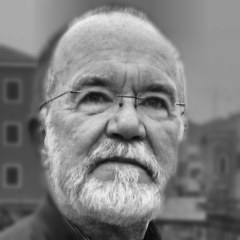 Phil LaRocco
 Dan Murphy
 Andreas Zeller
 Jean-Claude Permal
Portfolio companies



Funders






Administrators and advisors


The people who spoke with us
This report draws on candid conversations with more than a dozen entrepreneurs, funders, investors, and former VentureBuilder team and board members. Many spoke on condition of anonymity, so we thank them here without naming them. Their honesty made this a better report.
Photographs courtesy of Zuwa Energy, Natfort Energy, Energy+, and Henry Stanislaw, with additional images from Unsplash and Pexels.
About VentureBuilder